


Muscular strength and mortality in women aged 69 to 99 years by Michael J LaMonte et al, JAMA Network Open 2026
- scottrichardsonpt
- 6 days ago
- 4 min read
Muscular strength plays a crucial role in healthy ageing, especially for women in their later years. A recent study by Michael J LaMonte and colleagues, published in JAMA Network Open in 2026, sheds new light on how muscular strength relates to mortality risk in women aged 69 to 99. This research offers valuable insights for anyone interested in maintaining health and vitality well into old age.
Understanding the link between muscular strength and longevity
The study followed a large group of older women over several years, measuring their muscular strength and tracking their health outcomes. The key finding was clear: women with greater muscular strength had a significantly lower risk of death compared to those with weaker muscles. This connection held true even after accounting for other factors like age, lifestyle, and existing health conditions.
Why does muscular strength matter so much? Strong muscles support balance, mobility, and independence. They help prevent falls and injuries, which are common causes of serious health problems in older adults. Muscular strength also supports metabolic health, helping to regulate blood sugar and reduce inflammation.
This research confirms what many fitness experts have long advocated: building and maintaining muscle strength is essential for a longer, healthier life.

Caption: Strength training helps women aged 69 to 99 maintain muscle and reduce mortality risk.
Practical ways to build muscular strength safely
If you’re in Tunbridge Wells and want to improve your muscular strength, it’s important to find a training approach that suits your needs and abilities. Strength training doesn’t mean heavy lifting or complicated gym routines. It can be simple, effective, and enjoyable.
Here are some practical tips:
Start with bodyweight exercises like squats, wall push-ups, or seated leg lifts.
Use light weights or resistance bands to add challenge gradually.
Focus on proper form to avoid injury.
Aim for two to three sessions per week, allowing rest days in between.
Include exercises that target all major muscle groups.
For personalised guidance, working with a professional trainer can make a big difference. They can tailor exercises to your fitness level and goals, ensuring you progress safely and effectively.
Comparing two helpful products for strength training
To support muscular strength, many people use equipment that fits their lifestyle and preferences. Two popular options are resistance bands and adjustable dumbbells. Both have their benefits, and choosing the right one depends on your needs.
Resistance Bands
Lightweight and portable
Offer variable resistance through different band thicknesses
Great for gentle, controlled movements
Ideal for home use or travel
Affordable and easy to store
Adjustable Dumbbells
Allow precise weight adjustments
Provide traditional strength training feel
Suitable for progressive overload (gradually increasing weight)
Require more space and investment
Offer a wide range of exercise options
For example, resistance bands like the TheraBand Resistance Bands are excellent for beginners or those with limited space. They help build strength without heavy weights and reduce joint strain.
On the other hand, adjustable dumbbells such as the Bowflex SelectTech Dumbbells offer flexibility for those ready to increase their training intensity. They combine multiple weights in one compact set, making them convenient for home gyms.
Choosing between these depends on your current fitness, goals, and available space. Both can be part of a balanced strength training routine that supports healthy ageing.
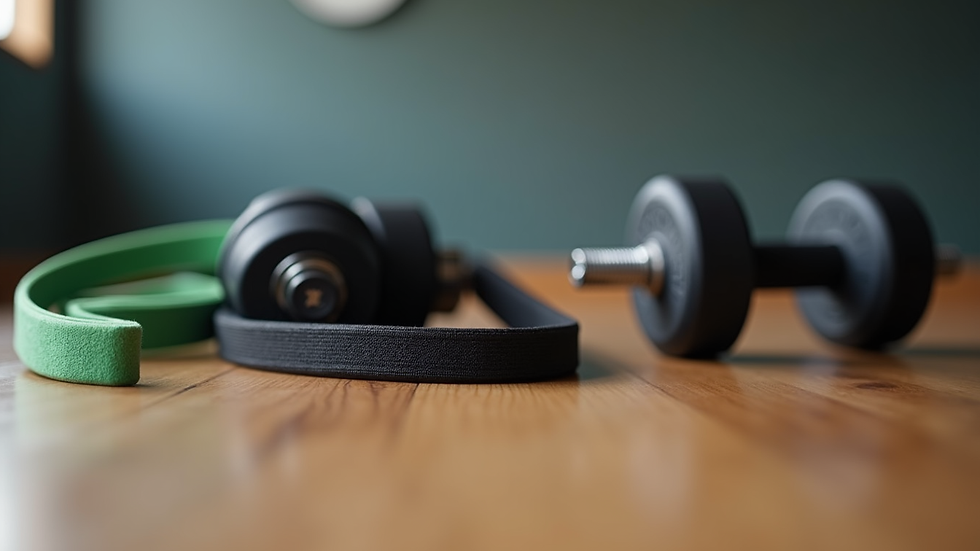
Caption: Resistance bands and adjustable dumbbells offer versatile options for building muscle strength.
How strength training fits into a healthy lifestyle for older women
Muscular strength is one piece of the puzzle. To truly support longevity and quality of life, it’s important to combine strength training with other healthy habits:
Balanced diet: Plenty of protein, fruits, vegetables, and whole grains support muscle repair and overall health.
Regular physical activity: Walking, swimming, or cycling complement strength work and improve cardiovascular health.
Adequate rest: Muscles need time to recover and grow stronger.
Social engagement: Staying connected with others boosts mental health and motivation.
In my experience as a personal trainer in Tunbridge Wells, clients who embrace this holistic approach often see the best results. They feel stronger, more energetic, and more confident in their daily lives.
What the study means for you
The findings from LaMonte et al’s study highlight a simple but powerful message: building and maintaining muscular strength can help women live longer and healthier lives. It’s never too late to start, and even small improvements can make a big difference.
If you’re ready to take the next step, consider incorporating strength training into your routine. Whether you prefer resistance bands, dumbbells, or guided sessions with a trainer, the key is consistency and enjoyment.
Remember, strength training is not just about muscles. It’s about supporting your independence, reducing health risks, and enhancing your quality of life as you age.

Caption: Personalised training helps older women build strength safely and effectively.
Muscular strength is a foundation for healthy ageing. By focusing on it, you’re investing in your future wellbeing. If you want support tailored to your needs, working with a personal trainer can make the journey easier and more rewarding.
If you want to learn more about how to build strength safely or explore personalised training options in Tunbridge Wells, feel free to reach out. Together, we can create a plan that fits your lifestyle and helps you enjoy every stage of life with strength and confidence.


Comments