


The Impact of Daytime Napping on Well-Being and Performance in Physically Active Individuals
- scottrichardsonpt
- Jun 24
- 4 min read
Daytime napping often gets mixed reviews. Some see it as a sign of laziness, while others swear by its benefits. For physically active individuals, including athletes and fitness enthusiasts, understanding how naps affect both mind and body is crucial. A recent systematic review and meta-analysis by Omar Boukhris et al., published in Blol Sport 2025, sheds light on how daytime napping influences psychophysical measures in this group. This post explores the findings of that study and relates them to everyday active people, not just elite athletes.

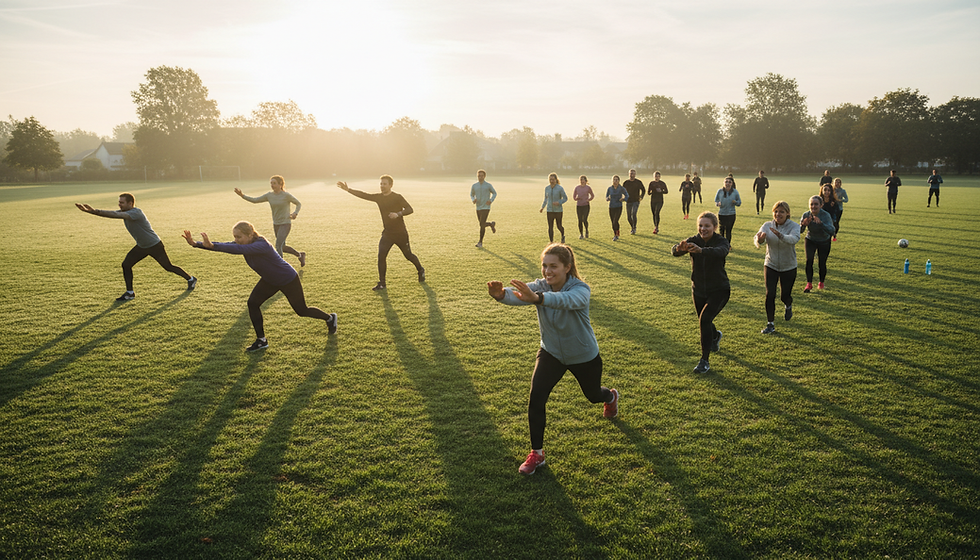
Daytime napping can be a simple yet effective way to recharge for physically active individuals.
Why Daytime Napping Matters for Physically Active People
Physical activity demands energy, focus, and recovery. While nighttime sleep is essential, many active individuals struggle to get enough rest due to busy schedules, training loads, or lifestyle factors. Daytime naps offer a potential solution to fill this gap. But how do naps affect performance, mood, and physical recovery?
The study by Boukhris et al. reviewed multiple research papers involving athletes and physically active people. It combined data from various experiments to provide a clearer picture of the effects of napping on psychophysical outcomes such as reaction time, alertness, fatigue, and physical performance.
Key Findings from the Meta-Analysis
Improved Cognitive Function and Alertness
One of the strongest findings was that daytime naps significantly improve cognitive functions. This includes faster reaction times, better attention, and enhanced alertness. For physically active individuals, these improvements can translate into better coordination and decision-making during workouts or sports.
Example: A 20-30 minute nap after a morning workout can help maintain focus during afternoon training or work tasks.
The benefits were consistent across different nap lengths but were most pronounced with naps lasting between 10 and 30 minutes.
Reduced Fatigue and Perceived Exertion
Napping also helped reduce feelings of fatigue and lowered the perceived effort during physical activity. This means that after a nap, individuals felt less tired and found exercise less demanding.
This effect is particularly useful for those who train multiple times a day or have physically demanding jobs.
The study noted that naps could help maintain energy levels without interfering with nighttime sleep.
Physical Performance Gains
While the cognitive benefits were clear, the effects on physical performance were more nuanced. The meta-analysis found modest improvements in strength, endurance, and speed after napping, but these varied depending on the individual and the type of activity.
For example, short naps improved sprint performance and reaction time in some studies.
Endurance activities showed mixed results, suggesting that naps might support recovery but are not a substitute for proper rest and nutrition.
Nap Timing and Duration Matter
The timing and length of naps influenced their effectiveness. Naps taken early in the afternoon (around 1-3 pm) were most beneficial. Longer naps (over 30 minutes) sometimes led to sleep inertia—a groggy feeling after waking—which could temporarily reduce performance.
The ideal nap length for most active individuals is between 10 and 30 minutes.
Avoiding naps too late in the day helps prevent interference with nighttime sleep.
How These Findings Apply to Everyday Active Individuals
The study’s focus on athletes provides valuable insights, but the results are relevant beyond professional sports. Many people engage in regular physical activity for health, fitness, or recreation. Here’s how daytime napping can fit into their routines:
Enhancing Workout Quality
After a morning run, gym session, or sports practice, a short nap can restore alertness and reduce fatigue. This helps maintain high-quality training throughout the day, especially for those who juggle exercise with work or family responsibilities.
Supporting Recovery
Physical activity causes muscle fatigue and micro-damage that require recovery. Napping supports this process by promoting relaxation and reducing stress hormones. This can speed up muscle repair and reduce soreness.
Boosting Mental Health and Motivation
Physical activity and mental well-being are closely linked. Napping improves mood and reduces stress, which can increase motivation to stay active. Feeling mentally refreshed makes it easier to stick to exercise plans.
Practical Tips for Incorporating Naps
Keep naps short: Aim for 10-30 minutes to avoid grogginess.
Nap early: Try to nap between 1 pm and 3 pm.
Create a restful environment: Find a quiet, comfortable place free from distractions.
Listen to your body: If you feel excessively tired, a nap can be a helpful tool, but don’t rely on naps to replace good nighttime sleep.
Limitations and Considerations
The meta-analysis by Boukhris et al. also highlighted some limitations:
Most studies involved athletes, so results may vary for casual exercisers.
Individual differences in sleep needs and responses to napping exist.
The quality of nighttime sleep was not always controlled, which can affect nap benefits.
Despite these factors, the overall evidence supports daytime napping as a useful strategy for improving psychophysical health in physically active people.
Final Thoughts on Daytime Napping and Active Lifestyles
Daytime napping offers clear benefits for cognitive function, fatigue reduction, and physical performance in physically active individuals. Whether you are an athlete or someone who enjoys regular exercise, a well-timed, short nap can boost your energy and mental sharpness.
Try incorporating a brief nap into your routine after morning activity or during a midday break. Pay attention to how it affects your mood, energy, and workout quality. Over time, you may find that this simple habit helps you stay active, recover faster, and feel better throughout the day.


Comments